Financial Accounting Professional Certificate
Master your tools & knowledge in accounting and finance like any global professional! international financial accountinglearn what is financial accountingwhat is the meaning of financial accounting

Course content
Introduction
Accounting and finance are the undisputed cornerstones of any commercially viable business. To navigate today’s highly demanding corporate environment, corporate professionals need more than just a surface-level grasp of bookkeeping—they require institutional-grade accounting skills to drive organizational efficiency, eliminate operational bottlenecks, and safeguard cash.
Whether your goal is to master advanced financial accounting, improve your department's working capital cycles, or earn an industry-recognized certificate in financial accounting, this comprehensive program delivers the exact tools, advanced Excel frameworks, and strategic techniques you need. We go far beyond simple numbers; this masterclass covers everything from automating accounts payable pipelines and balancing multi-stage cash management systems to building lean budgeting structures and optimizing core financial reporting. Furthermore, we break down critical behavioral concepts that directly influence daily transactional workflows, providing you with a holistic, highly effective approach to corporate financial management.
This training program is explicitly designed to help you command essential accounting principles and practices, leverage Excel to build dynamic financial reports, and execute structural upgrades across your entire department. By gaining hands-on exposure to comprehensive advanced financial analysis, you will build the practical corporate capabilities needed to protect your business assets, minimize operational leaks, and establish yourself as an indispensable asset to your leadership team.
Course Objectives
By enrolling in this elite training program, participants will actively develop the skills to:
Establish and Align a Financial Vision: Define the key strategic components of a high-performance corporate accounting vision and seamlessly align them with overarching corporate goals.
Streamline the Purchase-to-Pay Cycle: Evaluate, optimize, and audit accounts payable processes to prevent cash leaks and maximize working capital efficiency.
Optimize Order-to-Cash and Inventory Chains: Implement international best practices across accounts receivable, credit collections, inventory valuation, and liquidity management to ensure continuous cash flow safety.
Reengineer the Corporate Budgeting Process: Assess, refine, and upgrade corporate budgeting frameworks to establish strict cost controls and significantly improve the accuracy of forward-looking financial forecasting.
Master Advanced Excel Data Automation: Apply advanced MS Excel modeling, pivot table analysis, and automation techniques to eliminate manual accounting redundancies and accelerate periodic financial reporting.
Optimize Team Behavior and Internal Controls: Understand and deploy key psychological and organizational behavioral concepts that transform day-to-day transaction pipelines, maximize productivity, and secure financial data integrity.
Course Outlines
Day 1: The Strategic Architecture of Corporate Finance & The Complete Accounting Cycle
Operational Performance Assessment: Unpacking the critical difference between Effectiveness vs. Efficiency within corporate financial management.
Leadership Roles in Finance: Essential functions of senior management in structuring modern accounting and finance departments.
Strategic Alignment: Constructing a bulletproof, future-focused vision and mission roadmap for your organization’s financial operations.
Internal Stakeholder Satisfaction: Implementing customer service surveys to identify internal process failures and improve operational workflows.
The Structural Foundations: A deep-dive exploration of the classic Accounting Cycle and the mathematical relationships linking core financial statements:
The Income Statement: Revenue recognition, operating margins, and tracking absolute profitability.
The Balance Sheet: Assessing corporate health, asset allocation, and capital structures.
The Cash Flow Statement: Reconciling net income back to actual liquid cash generation.
Day 2: Working Capital Optimization: Advanced Best Practices in AP, AR, Inventory, and Cash Management
The Accounts Payable (AP) Lifecycle: Mapping the complete purchase-to-pay pipeline to eliminate processing backlogs, duplicate invoices, and manual bottlenecks.
Structural Financial Architecture: Analyzing the financial and operational trade-offs between centralized and decentralized AP workflows.
Digital Transformation: Deploying Automated Supplier Portals, OCR technology, and paperless, electronic expense reporting networks.
The Accounts Receivable (AR) Lifecycle: Implementing credit risk management frameworks, collection scoring models, and best practices to reduce Days Sales Outstanding (DSO).
Inventory Control Systems: Strategic inventory costing, valuation methods (FIFO, LIFO, Weighted Average), and auditing techniques to eliminate hidden cash traps.
Corporate Treasury & Cash Management: Mechanisms for accelerating collections, optimizing bank float time, and systematically scheduling disbursements to protect corporate liquidity.
Day 3: Fixed Asset Governance, Corporate Budgeting, and Strategic Cost Containment
The Fixed Asset Lifecycle: Designing rigorous internal controls for asset capitalization vs. immediate operational expensing.
Asset Tracking & Financial Compliance: Establishing tracking systems, managing depreciation schedules, and structuring impairment tests for flawless financial reporting.
Modern Corporate Budgeting: Deep-dive comparison of budgeting techniques (Incremental, Zero-Based, Activity-Based, and Flexible Budgets) to enforce operational cost control.
Budgetary Redundancy Elimination: Proven tips and workflows to strip out administrative delays and compress the annual budget creation timeline.
Day 4: Advanced Financial Reporting Automation Using MS Excel
Data Cleansing and Integrity Verification: Advanced methods for consolidating, normalizing, and validating disparate, raw financial data sets.
Dynamic Analytics Engines: Leveraging multi-dimensional Pivot Tables and advanced lookup functions to slice, dice, and interpret corporate financial data with speed.
Reporting Pipeline Automation: Building self-updating templates to automate monthly financial closes, variance analysis, and internal reconciliations.
Practical Financial Worksheets: Hands-on Excel construction of automated bank statement reconciliations, payroll reporting modules, and AP aging dashboards.
Strategic Financial Visualization: Designing interactive budget variance reports and automated invoice analysis templates.
Governance Frameworks: Writing and upgrading comprehensive Financial Policies and Procedures Manuals to guarantee long-term operational consistency.
Day 5: Behavioral Economics & Internal Controls: Maximizing Team Output and Security
Modern Financial Competencies: Developing the specific cross-functional communication and strategic skills required of elite accounting managers.
The Clean Desk Policy: Understanding the psychological, security, and productivity benefits of a structured workspace environment.
Human Performance Optimization: Mapping out team peak energy windows to schedule high-concentration financial analysis and balance workloads.
Action-Oriented Corporate Meetings: Frameworks for executing efficient, highly productive financial alignment meetings that drive strategic execution.
Internal Control Matrixes: Designing and embedding strict financial authorization matrices, separation of duties, and double-authorization protocols.
Operational Risk Management: Building resilience within the finance team via cross-training matrices and permanent backup strategy mapping.
Why Attend this Course: Wins & Losses!
Investing in your professional education means ensuring your daily operations actively move your business forward while abandoning outdated habits that trigger corporate vulnerability.
What You Win (The Material Benefits):
Total Process Mastery: Commmanding both foundational and advanced corporate financial workflows, from raw transactions to strategic budget modeling.
Accelerated Cash Velocity: Mastering real-world frameworks to shrink collection cycles, optimize supplier payments, and permanently protect corporate liquidity.
Data Processing Superpowers: Gaining elite-level proficiency in MS Excel to automate complex financial reporting pipelines, eliminating hours of manual work.
Bulletproof Cost Control: Acquiring the strategic tools to build lean, accurate corporate budgets that align department spending directly with executive targets.
High-Performance Leadership: Developing the core organizational and behavioral skills required to lead, motivate, and protect accounting teams from burnout.
C-Suite Boardroom Credibility: Walking away with a prestigious professional certificate that validates your technical accounting acumen and enhances your career path.
What You Lose (The Risks Eliminated):
Manual Redundancies: Saying goodbye to archaic data entry habits that waste your analytical hours on basic spreadsheet fixing.
Cash-Flow Blind Spots: Eliminating unexpected cash traps caused by poor inventory valuation or unoptimized accounts payable cycles.
Budgeting Guesswork: Stopping the dangerous habit of relying on lazy, unadjusted incremental budgets that allow operational costs to spin out of control.
Key-Person Vulnerability: Eradicating severe operational downtime risks by dismantling single-point-of-failure dependencies within your accounting team.
Conclusion
At the end of the day, structural blind spots in an organization's accounting pipeline can quietly erode millions in corporate revenue. The Financial Accounting Professional Certificate course delivers the high-impact tactical tools you need to stop firefighting operational problems and start leading your department with absolute numbers-driven authority.
This is not a passive lecture course focused on memorizing text; it is an immersive, hand-on masterclass engineered to fundamentally change how you track, analyze, and optimize financial numbers. Whether you are an analyst eager to sharply develop your corporate accounting skills or a seasoned controller aiming to overhaul your department's reporting workflows, this training provides the definitive blueprint for success. Secure your seat today, modernize your financial reporting pipelines, and unlock the next level of your corporate career.
FAQs
What is financial accounting?
It is the rigorous, standardized process of capturing, processing, classifying, and reporting an organization's historical financial transactions over a specific period. The true meaning of financial accounting centers on translating daily operational data into structured financial statements—namely the Income Statement, Balance Sheet, and Cash Flow Statement. The central role of financial accounting is to provide external stakeholders, regulatory bodies, lenders, and internal leaders with transparent, verified, and legally compliant financial data to ensure accurate corporate valuation, secure capital investment, and guide strategic long-term planning.
Does this course cover advanced financial accounting concepts?
Yes. This program bridges basic bookkeeping with advanced corporate treasury and controller operations. This advanced financial accounting course is structured to explicitly show you what is advanced financial accounting in a practical corporate setting, covering everything from complex fixed asset capitalization cycles and working capital optimization models to data validation frameworks and automated multidimensional financial reporting inside Microsoft Excel.
What accounting principles and practices are included in the course?
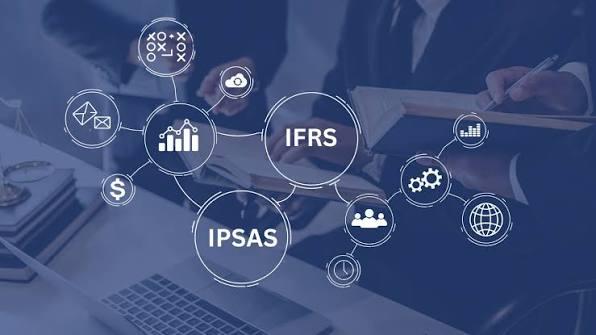
This masterclass delivers a comprehensive immersion into modern principles and practice of accounting. We start with a brief calibration of foundational GAAP and IFRS basic accounting principles and practices before moving into highly tactical operational frameworks. This includes optimizing accounts payable and accounts receivable lifecycles, navigating inventory valuation models, managing short-term cash disbursements, and constructing multi-tier corporate budgets with integrated internal risk controls.
Upcoming sessions
| City | Country | Date & time | Price | |
|---|---|---|---|---|
| Istanbul | Turkey | To be announced | 4,200.00 | Register now |
| Amman | Jordan | To be announced | 4,200.00 | Register now |
| Dubai | UAE | To be announced | 4,200.00 | Register now |
| Kuala Lumpur | Malaysia | To be announced | 4,200.00 | Register now |
| Cairo | Egypt | To be announced | 4,200.00 | Register now |
| Casablanca | Morocco | To be announced | 4,200.00 | Register now |
| Cape Town | South Africa | To be announced | 4,200.00 | Register now |
| Amsterdam | Netherlands | To be announced | 5,200.00 | Register now |
| Barcelona | Spain | To be announced | 5,200.00 | Register now |
| Paris | France | To be announced | 5,200.00 | Register now |
| Madrid | Spain | To be announced | 5,200.00 | Register now |
| Rome | Italy | To be announced | 5,200.00 | Register now |
| London | UK | To be announced | 5,400.00 | Register now |